Monogram Letter Y: A Designer’s Review for Small Business Merch
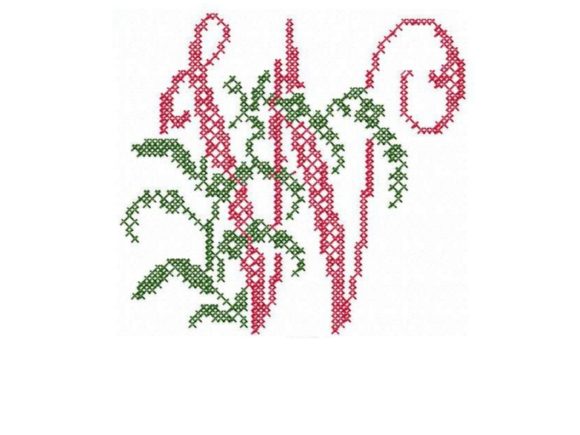
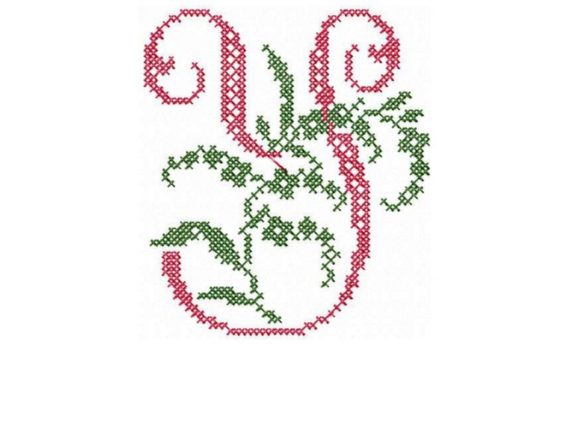
As an embroidery designer who has spent years digitizing files and consulting with small business owners, I approach every new machine embroidery design with a critical eye. It is not just about aesthetics; it is about functionality, durability, and brand alignment. Recently, I evaluated the Monogram Letter Y, a design created in a cross-stitch technique, to determine its viability for commercial use. This review focuses on how this specific asset performs when applied to branded merchandise, from boutique apparel to custom home goods.
First Impressions: Visual Personality and Style
The immediate appeal of the Monogram Letter Y lies in its texture. By utilizing a cross-stitch technique, the design avoids the sterile, overly polished look of standard satin stitches. Instead, it offers a tactile, handmade quality that resonates deeply with current market trends. For brands operating within the Boho niche or those emphasizing artisanal craftsmanship, this visual language is powerful. It feels friendly, rustic, and approachable rather than corporate or rigid.
However, "fun and easy" does not mean amateurish. The geometric nature of cross-stitch provides a structured grid that can look surprisingly modern if paired with the right thread colors. When I first loaded the digital embroidery file into my software, I noted that the design relies on blocky, pixel-like elements. This suggests it will hold up well against fabric grain, provided the resolution of the stitch pattern is high enough to avoid looking jagged on smooth materials.
Strategic Applications for Small Business Merchandise
For Etsy sellers, crafters, and local boutiques, versatility is key. Here is how I envision the Monogram Letter Y performing in real-world commercial scenarios:
- Branded Patches: This is perhaps the strongest use case. The cross-stitch aesthetic translates beautifully to woven or embroidered patches. A small patch featuring the letter Y can be sewn onto denim jackets, canvas tote bags, or backpacks, serving as a subtle yet distinct brand marker.
- Cottagecore Home Goods: As the product description suggests, this design is ideal for towels and pillows. For a bed-and-breakfast or a linen brand, embroidering this monogram adds a layer of personalized luxury without overwhelming the textile.
- Staff Uniforms and Aprons: For cafes, florists, or bakeries, apron embroidery is a staple. The Monogram Letter Y works well here because cross-stitch is generally flatter than heavy satin columns, making it more comfortable against the body and less prone to snagging during daily work.
- Cap Embroidery: While possible, this requires caution. The structured nature of the design can look striking on the front panel of a dad hat or beanie, offering a vintage-inspired vibe that appeals to younger demographics.
Technical Considerations for Production
Before committing to a large production run, any professional must address technical constraints. The description notes that the design is "easy to stitch onto any fabric," but experienced designers know that context matters. Here are my practical notes for ensuring a high-quality finished product:
- Stitch Density and Fabric Texture: Cross-stitch designs rely on individual stitch blocks. On textured fabrics like linen or canvas, this looks authentic. However, on sleek synthetics or thin cotton, the gaps between stitches might reveal the backing or fabric underneath. Always test on your specific material.
- Stabilizer Selection: Because cross-stitch can pull slightly differently than continuous lines, using a cut-away stabilizer is often safer for garments that will undergo frequent washing. This ensures the embroidered patch or direct stitch remains stable and does not distort over time.
- Scale and Legibility: If you plan to use this as a chest logo accent or a small tag, verify the minimum size. Complex cross-stitch patterns can lose definition if scaled down too far. Check the hoop size requirements in the file details to ensure it fits your machine’s capabilities without excessive re-hooping.
- Thread Color Contrast: To maintain the crispness of the letter Y, high contrast between the thread and the fabric is essential. A dark thread on a light background, or vice versa, will make the pixelated edges read clearly. Low-contrast combinations may cause the design to look muddy from a distance.
Enhancing Brand Identity and Customer Trust
In the world of small business merch, consistency builds trust. Using a distinctive typographic element like the Monogram Letter Y helps create visual recognition. When customers see this specific cross-stitch style on a tote bag, then again on a packaging tag, and finally on a social media graphic, it reinforces brand identity. It signals attention to detail and a commitment to quality.
Furthermore, the "handmade" appearance of the design elevates the perceived value of the item. Mass-produced prints often feel cold, but embroidery implies labor and care. For brands selling custom apparel or artisanal goods, this emotional connection can justify a higher price point and increase buyer engagement. It transforms a simple letter into a badge of authenticity.
Where to Exercise Caution
While versatile, this design is not universal. Avoid using it on items that require extreme durability under high friction, such as the knees of work pants, unless reinforced heavily. Additionally, be mindful of stitch density on stretchy fabrics like jersey knits. The rigid structure of cross-stitch does not stretch with the fabric, which can lead to puckering or thread breakage if not stabilized correctly. Always create a printable mockup or a physical sample before approving the design for client work or large inventory batches.
Final Verdict for Commercial Use
The Monogram Letter Y is a strong contender for businesses aiming for a rustic, bohemian, or handcrafted aesthetic. It excels in applications where texture and character are valued over sleek minimalism. Before purchasing, ensure you review the specific license terms for commercial embroidery use. Confirm the available file formats match your machine software and check if multiple hoop sizes are included to maximize flexibility.
By testing this embroidery file on your intended materials and paying close attention to stabilizer choices, you can leverage this design to create memorable, high-quality merchandise that stands out in a crowded market. It is a tool that, when used wisely, enhances both the visual appeal and the professional stature of your brand.