Spring Border: A Designer's Real-World Review
As a designer who has spent years navigating the delicate balance between digital art and physical thread, I approach every new machine embroidery design with a mix of excitement and skepticism. The screen can be deceiving; what looks crisp on a monitor might unravel into a mess of tangled threads on a textured fabric. Recently, I put the Spring Border through its paces to see if it truly delivers the "natural and fresh touch" promised in its description or if it is just another generic floral asset. My goal was to determine if this design holds up under the scrutiny of a professional craft business owner preparing for a busy season.
The First Impression: Mood and Visual Personality
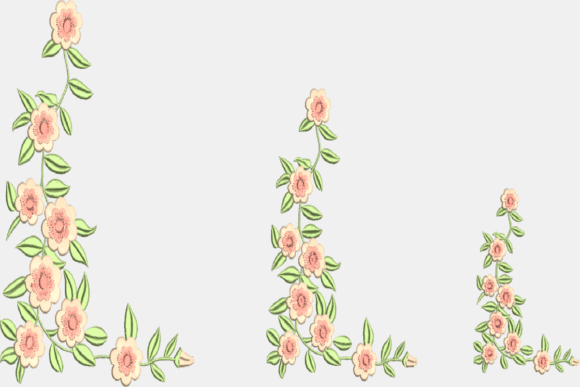
When I first opened the embroidery file for the Spring Border, the visual personality immediately stood out. It is not an aggressive, heavy pattern that dominates a garment. Instead, it offers a soft, flowing aesthetic that feels genuinely seasonal. The layout suggests a gentle rhythm, perfect for framing other elements without stealing the show. For anyone looking to create a personalized gift or elevate a small shop product, this border provides that essential layer of polish that separates a homemade item from a boutique-quality piece.
The flowery theme is executed with a level of detail that suggests careful planning. It avoids the common pitfall of being too sparse, which can look unfinished, or too dense, which can cause puckering on lighter materials. As I reviewed the digitization logic, I noticed a thoughtful use of stitch types. While the specific breakdown isn't listed in the basic description, the visual cues suggest a harmonious blend of fill stitch for the petals and likely some satin stitch for definition. This combination is crucial for achieving that high-end look where the flowers appear dimensional rather than flat.
Testing the Design: A Custom Tote Bag Scenario
To truly evaluate the utility of the Spring Border, I imagined a real-world application: creating a limited run of custom canvas tote bags for a local artisan market. These bags need to withstand frequent washing and rough handling while maintaining their aesthetic appeal. In this scenario, the Spring Border would be placed along the bottom hem of the bag, running horizontally across the width.
Here is where practical judgment comes into play. On a sturdy cotton canvas, this design should perform admirably. The natural curves of the flowers will soften the rigid lines of the bag, making it feel more organic and inviting. However, as an experienced maker, I know that placement is everything. If you are using this for custom apparel like a sweatshirt, you must consider the drape of the fabric. A border that works perfectly on a flat pillow cover might distort if the fabric stretches during stitching. For a tote bag design, the stability of the material ensures the stitch density remains consistent, preserving the integrity of the floral shapes.
I also considered how customers would react. In the world of Etsy sellers and handmade shops, presentation drives sales. A finished product featuring the Spring Border signals care and attention to detail. It transforms a plain canvas bag into a cohesive handmade product that tells a story of spring renewal. This kind of visual storytelling increases the perceived value of the item, allowing you to price your goods competitively against mass-produced alternatives.
Navigating Fabric Challenges and Limitations
While the Spring Border is versatile, it is not a magic bullet for every situation. There are specific contexts where caution is required. If you plan to use this on thin or stretchy fabrics, such as jersey knit for a baby onesie, you must be extremely careful with your stabilizer choice. Without adequate support, the intricate details of the flowers could pull the fabric, leading to unwanted puckering that ruins the smooth finish.
Similarly, dark fabrics present a unique challenge. The design relies on color contrast to define the flowers. If you attempt to stitch this on a black background without adjusting the thread colors or adding a backing layer, the details may get lost. Always test the design on scrap fabric first, especially when working with complex textures or layered garments. Even on something as simple as a cap, the curved surface can alter how the border sits. You might find that the outer edges of the flowers don't lay as flat as they do on a flat surface, requiring adjustments to the tension or hoop size.
Another area of concern is small hoop sizes. If you are trying to fit this border into a very compact space, the running stitch outlines and fine details might become indistinguishable. It is vital to confirm the hoop size requirements before committing to a project. Sometimes, scaling down a design compromises the very quality that makes it special. For baby embroidery projects, where safety and softness are paramount, ensure there are no loose threads or overly dense areas that could irritate sensitive skin.
Strategic Use for Craft Businesses and Commercial Projects
For creative entrepreneurs and digital product sellers, the Spring Border represents a valuable asset in your library. Whether you are creating printable mockups to showcase your designs or selling the actual digital embroidery file, understanding its limitations and strengths is key to maintaining your brand reputation. Consistency is what builds customer trust. If you sell a pattern that results in poor stitching because you didn't vet it properly, it reflects poorly on your entire business.
This design fits well into a broader collection of holiday embroidery or seasonal decor. Imagine using it on kitchen towels or aprons for a Mother's Day collection. The fresh, natural vibe aligns perfectly with themes of growth and renewal. It adds a professional touch to commercial embroidery projects, ensuring that your branding remains consistent across different product lines. From embroidered patches to full-scale sweatshirt embroidery, the adaptability of the Spring Border allows you to expand your catalog without sacrificing quality.
Practical Notes for the Designer
Before you start stitching or listing this design for sale, follow these essential steps:
- Test on Scrap Fabric: Never skip this step. Run a test on the exact fabric you intend to use to check for puckering and thread tension issues.
- Check Thread Color Contrast: Ensure the flower colors pop against your background fabric. Adjustments may be needed for light versus dark materials.
- Review Stitch Density: Inspect the design closely for areas that might be too dense, which can cause fabric distortion, or too sparse, leading to visible holes.
- Confirm Hoop Size: Verify that the design fits comfortably within your machine's hoop without needing excessive resizing.
- Inspect Small Details: Look for tiny lettering or fine lines that might disappear after stitching, especially on textured surfaces.
- Use Proper Stabilizer: Select the right stabilizer for your fabric type to ensure the design lays flat and clean.
- Verify Licensing: If you are selling finished items or the digital files, confirm the licensing terms to avoid legal issues with your craft business.
The Spring Border is a strong contender for designers seeking a reliable, aesthetically pleasing element for their seasonal collections. It bridges the gap between simple decoration and sophisticated design, offering a fresh look that resonates with customers looking for quality handmade goods. By approaching it with a critical eye and testing it thoroughly in real-world scenarios, you can ensure that your final products stand out in a crowded marketplace.