Devil Mascot Holding a Pitchfork: A Designer Review
As an experienced embroidery designer who has spent years curating collections for boutique brands and small shops, I approach every new machine embroidery design with a critical eye. Today, I am evaluating the Devil Mascot Holding a Pitchfork, a piece categorized under Fairy Tales but clearly designed to bridge the gap between whimsical storytelling and modern streetwear. This review is written from the perspective of preparing a limited sweatshirt drop for a premium online store, analyzing how this specific asset translates from a digital file to a tangible, high-quality garment.
First Impressions: Mood and Visual Impact
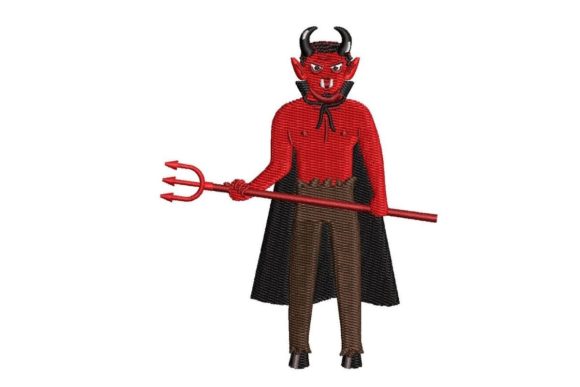
When I first opened the preview for the Devil Mascot Holding a Pitchfork, the immediate impression was one of playful menace. It does not feel like a scary horror piece; rather, it exudes a charming, mischievous energy that fits perfectly within the current trend of "cute-spooky" aesthetics. The layout appears balanced, with the pitchfork acting as a strong vertical anchor that draws the eye upward toward the mascot's face. For a brand looking to inject personality into their lineup, this design offers a distinct visual hook.
The detail level seems sufficient for a medium-sized application without becoming overly intricate, which is crucial for maintaining clarity on textured fabrics. In the world of Embroidery, less is often more when working with heavy cotton blends. The stitching personality suggested by the lines implies a bold, graphic style rather than a soft, painterly finish. This makes it an excellent candidate for sweatshirt embroidery where definition and contrast are paramount for the finished product to pop.
Application Strategy: From Hoodies to Boutique Merch
For my upcoming collection, I am considering how the Devil Mascot Holding a Pitchfork performs across different garment types. On neutral sweatshirts, such as heather grey or oatmeal, this design would likely serve as a striking focal point. Using contrasting thread colors—perhaps deep reds, blacks, and sharp whites against the muted fabric—would create a premium look that elevates a basic hoodie into a statement piece.
Consider the placement options:
- Chest Placement: A smaller version on the left chest creates a subtle, branded logo effect, perfect for a boutique brand wanting to establish identity without overwhelming the customer.
- Back Design: Scaling up the Devil Mascot Holding a Pitchfork for the back of an oversized hoodie allows for maximum impact. This is ideal for lifestyle product photography, where the full character can be showcased in action shots.
- Sleeve Accents: A cropped version focusing on just the pitchfork or the mascot's head could work beautifully as a sleeve accent, adding a touch of detail that feels exclusive and custom-made.
This versatility makes the design highly valuable for an Etsy seller or a small shop product line. It works equally well on cozy seasonal apparel for Halloween or winter holidays, extending the lifespan of the inventory beyond a single spooky month. The design feels bold yet decorative, avoiding the trap of being too childish while remaining accessible to a wide audience.
Technical Evaluation: Stitching and Fabric Considerations
Before committing to production, a professional must evaluate the technical viability of the embroidery file. While the description promises that this spooky design will stitch out great onto any fabric, experience tells us that preparation is key. Sweatshirts present unique challenges due to their thickness and looped texture.
Stitch Density and Stabilizer Choice
One of my primary concerns with dense designs like the Devil Mascot Holding a Pitchfork is stitch density. If the fill stitches are too tight, they can pucker the fabric, ruining the drape of a premium sweatshirt. I would recommend testing this design on a sample swatch first. Using a heavy-duty cutaway stabilizer is non-negotiable here. It provides the necessary support to prevent the fabric from stretching during the hoop process, ensuring the final result remains crisp and flat.
Thread Color Contrast and Visibility
The success of this hoodie design relies heavily on thread color selection. On dark fabric, metallic or neon threads might make the pitchfork glow, creating a trendy, edgy vibe. Conversely, on pastel colors, sticking to classic black or charcoal outlines ensures the details remain readable. Small-size readability is another factor; if you plan to use this as a small logo, ensure the facial features of the devil do not get lost in the stitching. Always check the minimum recommended size before scaling down.
Hoop Placement and Durability
Hooping a thick sweatshirt requires care to avoid distorting the neckline or seams. Placing the hoop over a cardboard insert can help maintain the shape of the garment. Regarding washing durability, high-quality commercial embroidery should withstand repeated washes, but the longevity depends on the quality of the backing and the thread tension settings used during digitizing. As a designer, I always advise checking the wash instructions provided with the digital embroidery file to ensure the design assets hold up over time.
Brand Identity and Commercial Viability
Incorporating the Devil Mascot Holding a Pitchfork into a collection does more than just decorate a shirt; it builds brand identity. For a handmade business owner, offering unique, personalized looks sets you apart from mass-market retailers. This design signals creativity and attention to detail, fostering buyer trust and increasing customer engagement.
When listing this item on platforms like Etsy, the visual recognition of the mascot can become a signature element of your shop. High-quality mockup previews showing the design on various custom apparel items can significantly boost conversion rates. Customers want to see exactly how the finished product will look, and a well-executed embroidery job adds perceived value to the price point.
However, remember that while the design is versatile, it is essential to verify the license terms included with the digital embroidery file. Ensure you have the rights to use it for commercial purposes if you plan to sell the physical garments. Also, confirm the specific hoop size requirements to match your equipment capabilities.
Final Verdict for the Creative Entrepreneur
The Devil Mascot Holding a Pitchfork is a strong contender for any machine embroidery design library focused on seasonal or character-driven apparel. Its balance of spookiness and charm makes it a safe bet for a diverse audience, while its structural integrity suggests it will perform well on heavy fabrics like fleece and cotton blends. For those of us running boutique brands, this type of design asset is invaluable for creating limited drops that feel exclusive and curated.
If you are an Etsy seller looking to refresh your inventory or a decorator seeking a fresh take on Fairy Tales themes, this design offers a solid foundation. Just remember to test your stabilizers, choose your thread colors wisely, and always prioritize the quality of the stitch-out. With the right execution, this devil mascot will not just sit on a sweatshirt; it will become a memorable part of your brand's story.