Wild Flower Line Art: A Designer’s Review
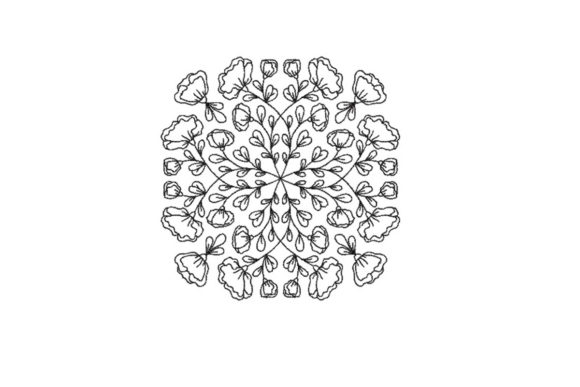
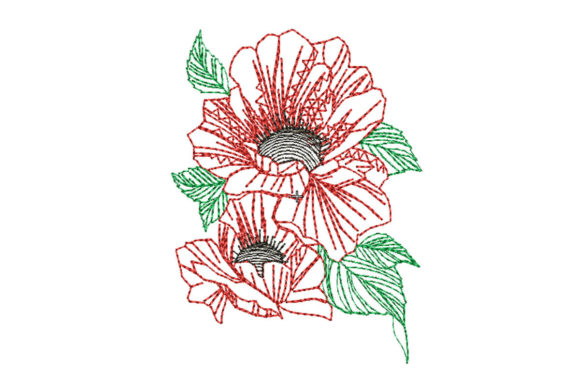
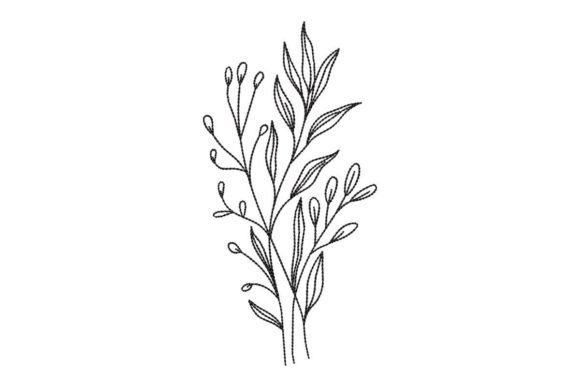
When I first pulled up the Wild Flower Line Art file on my screen, I wasn’t looking for complexity. I was looking for clarity. In the world of machine embroidery, especially when dealing with Outline Flowers, the difference between a chic, modern accent and a messy tangle of thread often comes down to line weight and spacing. This design immediately struck me as a versatile asset for any creative entrepreneur who values subtlety over saturation. It feels less like a traditional floral motif and more like a sketch brought to life through needle and thread.
The First Impression: Modern Minimalism Meets Textile Craft
The mood this machine embroidery design creates is distinctly feminine yet grounded. It avoids the heavy, dense fill stitches that can make fabric stiff or pucker easily. Instead, it relies on clean lines that suggest form rather than dictating it. For an experienced designer, this is refreshing. It allows the texture of the base material to shine through, making the embroidery project feel integrated with the garment or item rather than just stamped on top.
I imagine this working beautifully for brands that lean into organic, slow-living aesthetics. If you are an Etsy seller or run a small shop product line focused on natural fibers, this design aligns perfectly with that visual identity. It doesn’t shout; it whispers. That quiet confidence is exactly what modern buyers are looking for in handmade products.
Real-World Application: The Tote Bag Test
To truly evaluate a design, you have to visualize it in a real-life scenario. I pictured this design stitched onto a heavy-duty canvas tote bag design. Canvas has a distinct weave, and dense designs can sometimes get lost or cause the bag to warp. However, because Wild Flower Line Art utilizes open space and likely relies on running stitches or light satin work, it sits comfortably on the textured surface.
Imagine a customer walking into a boutique, picking up this tote, and feeling the slight raise of the thread against their fingertips. The design adds value without overwhelming the utility of the bag. It transforms a simple accessory into a personalized gift or a statement piece for daily use. This is the kind of finished product that encourages repeat customers because it feels thoughtful and well-executed.
Versatility Across Product Lines
Beyond tote bags, the adaptability of this embroidery file is its strongest selling point. Here is how I see it performing across different categories:
- Custom Apparel: On a sweatshirt, placed subtly on the cuff or behind the neck, it acts as a hidden detail that delights the wearer. For sweatshirt embroidery, ensure you use a cut-away stabilizer to prevent stretching from distorting the lines.
- Baby Items: Soft muslin swaddles or organic cotton onesies benefit from low-density designs. This floral outline is gentle enough for baby embroidery, provided the thread ends are secured well to avoid irritation.
- Home Decor: Think linen tea towels or pillow covers. The linear nature of the flowers complements the structured weave of linen, creating a sophisticated look for holiday embroidery gifts or everyday home accents.
- Patches and Appliques: While not strictly an applique design, the clear outlines could easily be adapted or used as a guide for hand-finishing on an embroidered patch, adding a mixed-media touch.
Technical Considerations for Clean Stitching
As much as we love the aesthetic, we must respect the mechanics. Working with line art requires precision. If your stitch density is too high, you lose the airy feel. If it is too low, the fabric might show through awkwardly. Since the product description notes that this machine embroidery design comes with multiple file formats, you have the flexibility to choose the right size for your hoop.
However, there are areas where caution is needed. On stretchy fabrics like jersey knits, even simple lines can distort if not stabilized correctly. Always use a high-quality stabilizer appropriate for your fabric type. For dark fabrics, consider using a lighter thread color to ensure the thread colors pop, or test a white thread on black cotton to check for coverage and contrast.
Also, pay attention to the smallest details. In line art, tiny corners or sharp turns can result in thread bunching if the machine speed is too high or the tension is off. I recommend running a test stitch on scrap fabric of the same weight and texture as your final project. This step is non-negotiable for maintaining professionalism in commercial embroidery.
Navigating Fabric and Hoop Constraints
Not every surface is friendly to every design. While Wild Flower Line Art is versatile, avoid using it on extremely fuzzy fabrics like mohair or thick fleece unless you are using a topping stabilizer. The fine lines may get lost in the pile. Similarly, be mindful of your hoop size. If you are scaling the design up significantly for a large blanket, ensure the resolution holds up and the lines do not become jagged or pixelated in the digitizing process.
For curved surfaces like caps, the placement is critical. The center front panel is ideal, but ensure the design is centered perfectly. Any asymmetry in line art is immediately noticeable to the eye, unlike filled designs which can hide minor alignment issues.
Enhancing Brand Value and Customer Trust
Why does this matter for your business? Because consistency builds trust. When a customer sees a clean, well-stitched design, they associate that quality with your brand. Wild Flower Line Art offers a level of sophistication that elevates perceived value. It is not just a flower; it is a design asset that communicates care and attention to detail.
For digital product sellers, this design can also serve as a powerful visual in printable mockups. The clean lines render beautifully in photos, making your online listings look professional and inviting. Whether you are selling the physical handmade product or the digital embroidery file itself, the presentation of this design speaks volumes about your expertise.
Final Practical Notes for Designers
Before you commit to a large production run or list this in your shop, keep these checkpoints in mind:
- Check Licensing: Confirm whether the license allows for commercial use of finished items. Most designers allow this, but always verify before selling.
- Thread Contrast: Test monochromatic looks (white on white) for a subtle, textural effect, and high-contrast looks for bold statements.
- Stabilizer Choice: Match your stabilizer to the fabric weight. Tear-away for stable wovens, cut-away for knits.
- Mockup Testing: Use digital tools to preview the design on different colored backgrounds to ensure visibility.
In conclusion, Wild Flower Line Art is a strong contender for any designer’s library. It balances modern aesthetics with practical stitchability. It respects the fabric it lives on, offering a feminine accent that feels both contemporary and timeless. For the craft business owner looking to expand their design assets with something that is easy to stitch and hard to resist, this outline floral design is worth the hoop time.