Flower Qurta Applique: A Craft Fair Review
As I set up my table for the upcoming weekend craft fair, the pressure to curate a collection that stops shoppers in their tracks is real. The market is flooded with generic items, so every machine embroidery design I choose must earn its place on my display. Today, I am reviewing the Flower Qurta Applique, an Outline Flowers category design that promises versatility for quilts and gifts. Before I commit hours of machine time and fabric costs, I need to know if this design translates from a digital screen to a high-converting handmade product.
First Impressions: Style and Market Appeal
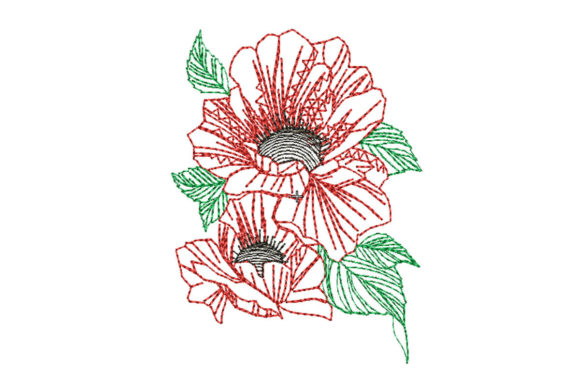
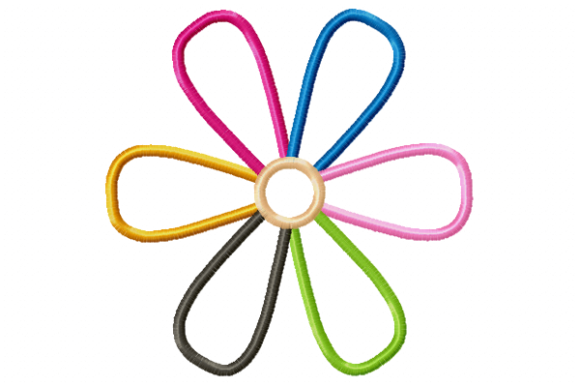
At first glance, the Flower Qurta Applique strikes a balance between rustic charm and modern elegance. The "Qurta" name suggests a traditional or cultural influence, often associated with intricate patterns found in South Asian textiles, while the "Flower" aspect keeps it universally appealing. For a craft fair product, this duality is powerful. It feels decorative yet grounded, suitable for a farmhouse aesthetic without looking dated. Unlike overly complex floral arrangements that can get lost in a crowded booth, this design has a clear silhouette. When customers scan a table of tote bags and aprons, they are drawn to bold shapes and recognizable motifs. This design offers that immediate visual hook, making it a strong contender for a focal point on a finished product.
Evaluating Product Applications
The true test of any Embroidery file is how it performs across different mediums. As I plan my inventory, I am considering where the Flower Qurta Applique will shine brightest.
- Tote Bags and Market Bags: This is likely the highest volume seller. The outline nature of the flower allows it to scale well on canvas. On a sturdy cotton tote, the applique technique adds texture that makes the bag feel premium compared to simple screen prints. It works beautifully as a large central motif or repeated along the side seam.
- Apron Embroidery: For the kitchen enthusiast, an apron featuring this design feels both functional and artistic. Placing the Flower Qurta Applique on the bib of a linen apron creates a sophisticated look. The contrast between the soft fabric and the raised stitching catches the eye immediately.
- Tea Towel Embroidery: Kitchen linens are excellent impulse buys. However, the looped texture of terry cloth can sometimes interfere with fine details. This design's outline style helps mitigate that risk, provided the stitch density is managed correctly. It adds a touch of whimsy to a standard household item, elevating it into a giftable piece.
- Embroidered Patches and Caps: Smaller applications require precision. If the design scales down without losing definition, these patches become versatile add-ons. They can be sewn onto denim jackets, hats, or even used to repair worn areas on clothing, adding value to the handmade product.
- Pillow Covers and Quilts: The description mentions quilts, and indeed, this design fits perfectly within patchwork blocks or as a corner accent on a throw pillow. The depth created by the applique method gives quilts a tactile quality that buyers love to touch at a market.
Production Practicalities for the Small Shop Owner
For an Etsy seller or boutique maker, efficiency is just as important as aesthetics. Can I produce these quickly enough to meet demand? The Flower Qurta Applique appears designed for batch production. Its clean lines suggest fewer jump stitches and less trimming time compared to dense, fill-heavy designs. This reduces waste and speeds up the workflow, allowing me to turn around orders faster.
However, there are practical considerations regarding stitch density. While the outline format is generally lighter, the applique edges can sometimes create bulk. I must ensure the stabilizer is appropriate for the fabric weight. Using a tear-away stabilizer for light fabrics like tea towels versus a cut-away for heavy canvas totes is crucial. If the backing is too weak, the flower might pucker; too strong, and it loses the soft hand-feel customers expect from commercial embroidery goods.
Photography is another key factor. In online listings, the printable mockup needs to show the dimensionality of the applique. The way light hits the raised thread creates shadows that convey quality. When photographing the actual finished product, I will use natural light to highlight the texture differences between the background fabric and the flower petals. This visual cue tells the buyer that this is a high-quality, labor-intensive item worth the price tag.
Careful Use Notes and Potential Pitfalls
Despite its strengths, no design is perfect for every situation. Here is where caution is required when using the Flower Qurta Applique:
- Fabric Texture: Avoid using this on extremely thick or highly textured fabrics like heavy corduroy or chunky knits unless you adjust the hoop tension significantly. The needle may struggle to penetrate evenly, leading to skipped stitches or uneven applique edges.
- Dark Fabrics: Outline flowers rely heavily on contrast. On dark backgrounds, the white or light-colored thread will pop, but ensure the underlay stitches are dense enough to prevent the dark fabric from showing through the applique pieces.
- Curved Surfaces: While great for flat surfaces, applying this to a curved cap panel requires careful hooping. The tension needed to keep the applique flat can distort the shape of the cap if not done with a specialized cap frame.
- Small Sizing: Do not shrink this design below a certain threshold. The intricate curves of the flower petals could blur together, losing the definition that makes the Outline Flowers category special. Always check the minimum recommended size before scaling.
Maximizing Visual Appeal and Brand Consistency
Using the Flower Qurta Applique consistently across my product line helps build brand recognition. Whether it is on a small pouch or a large quilt, the recurring motif creates a cohesive story for my booth. It signals to the customer that I specialize in botanical, artisanal designs. This consistency increases perceived value. A shopper who likes the flower on a tea towel is more likely to buy the matching apron, increasing the average order value.
Furthermore, the tactile nature of applique engages the senses. At a physical market, people want to touch the merchandise. The raised texture of the flower invites interaction, which often leads to a sale. It transforms a simple piece of fabric into a conversation starter about the craftsmanship involved.
Designer's Checklist Before Production
Before I finalize my order list and start stitching, I recommend every creative entrepreneur follow these steps to ensure success with the Flower Qurta Applique:
- Test on Scrap Fabric: Never skip this step. Run the design on the exact fabric you intend to sell. Check for puckering, thread breaks, and alignment issues.
- Verify Thread Contrast: Select thread colors that complement but stand out against your base fabric. Test swatches under both natural and artificial light.
- Confirm Hoop Size: Ensure the design fits comfortably within your largest hoop without crowding the edges, which can cause stitching errors.
- Select the Right Stabilizer: Match the stabilizer weight to the fabric type to maintain the integrity of the applique edges.
- Create Real Mockups: Make one physical sample of each product type (tote, towel, etc.) to use as a sales tool at the fair and for photography.
- Check Licensing: Confirm that the digital embroidery file license allows for commercial use of the finished products. Since the description mentions it comes with multiple formats, verify if there are restrictions on the number of items you can sell.
- Inspect Stitch Density: Adjust settings if necessary to prevent excessive thread buildup, especially in the corners of the flower petals.
In conclusion, the Flower Qurta Applique is a robust addition to any small shop product lineup. It balances aesthetic appeal with production feasibility, making it an ideal choice for craft fair sellers looking to elevate their offerings. By paying attention to fabric selection, stabilizer use, and presentation, this design can become a signature element that drives sales and builds a loyal customer base. Whether you are selling on Etsy or at a local market, this design asset has the potential to transform ordinary textiles into cherished handmade gifts.