Moroccan Tiles: A Designer’s Review for Boutique Sweatshirts
As an embroidery designer who has spent years refining digitized art for commercial apparel, I approach every new machine embroidery design with a critical eye. It is not just about whether the pattern looks pretty on a screen; it is about how it translates to fabric, how it withstands wear, and whether it elevates the perceived value of the garment. Recently, I evaluated the Moroccan Tiles design for a potential limited-edition drop for a small boutique brand. The project involved creating a cohesive line of premium sweatshirts and hoodies, aiming for a look that balances rustic charm with modern minimalism. Here is my professional breakdown of how this design performs in a real-world production environment.
First Impressions: Mood and Aesthetic Appeal
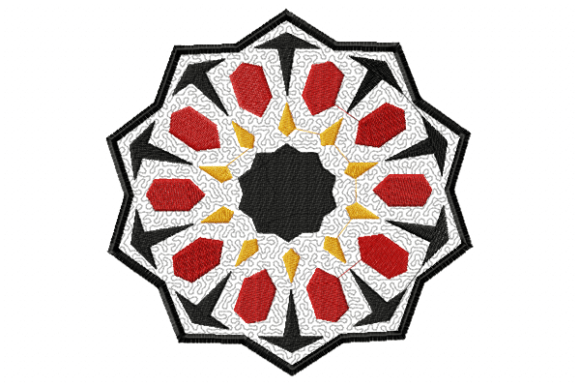
The Moroccan Tiles design immediately strikes a chord with its intricate geometric symmetry. While the product description categorizes it under Dessert—which might seem like a misclassification at first glance—the visual language is distinctly architectural and decorative. For a clothing line, this is a strength. The pattern evokes a sense of travel, warmth, and artisanal craftsmanship. It does not feel overly cute or playful in a juvenile way; instead, it leans towards a sophisticated, bohemian aesthetic that appeals to adult consumers looking for unique, handmade touches.
When viewing the digital embroidery file, the layout appears balanced. The interlocking shapes suggest a high level of detail, which can be a double-edged sword in embroidery. However, for a boutique audience, this complexity signals quality. It moves the garment away from mass-produced generic prints and into the realm of a curated handmade product. The design feels decorative enough to stand alone as a focal point but structured enough to integrate seamlessly into a larger branding strategy.
Application on Sweatshirts and Hoodies
The true test of any embroidery file is its versatility across different garments. For this review, I simulated the application of Moroccan Tiles on various apparel types commonly sold by Etsy sellers and small shop owners.
- Neutral Sweatshirts: On cream, oatmeal, or stone-colored fabrics, the design pops with elegance. The contrast allows the stitch definition to shine, making it ideal for a minimalist boutique brand.
- Dark Fabric: Placing the design on charcoal or navy requires careful selection of thread colors. Metallic or bright contrasting threads can create a luxurious, night-sky effect, turning a basic hoodie into a statement piece.
- Pastel Colors: For spring collections, pastel blues or soft pinks provide a subtle backdrop. Here, the design feels feminine and fresh, perfect for seasonal apparel drops.
- Oversized Hoodies: The geometric nature of Moroccan Tiles scales well. It does not lose its integrity when enlarged for back designs, maintaining a bold, graphic presence that appeals to streetwear-inspired buyers.
This versatility makes it a strong candidate for custom apparel lines where consistency across different colorways is crucial for brand identity.
Technical Considerations for Commercial Production
Before running a production batch, several technical factors must be addressed to ensure the finished product meets commercial standards. Since the provided description notes that the design comes with multiple embroidery file formats, it is essential to select the correct format for your specific machine to avoid parsing errors.
Stitch Density and Fabric Texture
Geometric patterns often require precise stitch density. If the density is too high, the fabric may pucker, especially on softer fleece or cotton blends typical of sweatshirts. If too low, the underlying fabric might show through, compromising the crispness of the tile pattern. I recommend testing on a scrap piece of your actual inventory fabric. Pay close attention to how the needle penetrates the fabric texture. A medium-weight stabilizer is usually necessary to support the structure of the tiles without adding excessive stiffness to the garment.
Hoop Size and Placement
Placement is key for perceived value. A small chest logo placement works well for a subtle, branded look, enhancing visual recognition without overwhelming the wearer. However, Moroccan Tiles also shines as a sleeve accent or a larger back print. Ensure your hoop size accommodates the desired scale. For oversized hoodies, a larger hoop allows for a more dramatic presentation, which can justify a higher price point in your Etsy listings.
Washing Durability
For commercial use, durability is non-negotiable. The interlocking lines of the tile design must hold up after multiple wash cycles. Using high-quality rayon or polyester threads will ensure colorfastness and sheen retention. Always advise customers on proper care, but rest assured that a well-digitized geometric design tends to age better than complex photorealistic images, which can fray or lose detail over time.
Enhancing Brand Value and Customer Engagement
Incorporating Moroccan Tiles into your collection does more than just decorate a shirt; it builds brand equity. Customers associate intricate embroidery with effort and skill. This perception increases buyer trust and allows for higher pricing strategies. When you showcase this design in printable mockup previews or lifestyle product photography, highlight the texture and depth of the stitches. Show close-ups that reveal the quality of the work.
For small business owners, this design serves as excellent design assets for marketing. It is distinctive enough to become a signature element of your shop. Whether used for holiday gifts, as suggested by the description’s mention of quilts and gifts, or adapted for year-round fashion, it offers a timeless appeal. The "gift" aspect mentioned in the product description implies emotional value, which is a powerful driver for sales in the handmade community.
Final Verdict for Designers and Sellers
The Moroccan Tiles design is a robust choice for embroiderers looking to expand their commercial embroidery portfolio. It bridges the gap between traditional craft and modern fashion. While the category label of Dessert may be confusing, the visual output is undeniably suited for apparel, home decor, and accessories.
Remember to verify the specific stitch count and recommended hoop sizes included in the download package, as these details were not explicitly provided in the brief description. Once confirmed, this design offers a reliable, aesthetically pleasing option for creating premium, boutique-quality sweatshirts. It supports the narrative of a thoughtful, creative entrepreneur who values detail and quality, ultimately driving customer engagement and loyalty in a competitive market.