Mouse in Love: A Designer’s Review for Holiday Embroidery
As an embroidery designer who spends countless hours analyzing stitch paths and color transitions, I approach every new machine embroidery design with a critical eye. It is not just about whether the image looks cute on a screen; it is about how it performs under the needle, how it resonates with buyers during peak shopping seasons, and how easily it integrates into a cohesive product line. Recently, I reviewed Mouse in Love, a charming applique design featuring a pocket motif, and I am eager to share my professional assessment of its potential for seasonal and holiday product use.
First Impressions: Mood and Aesthetic Appeal
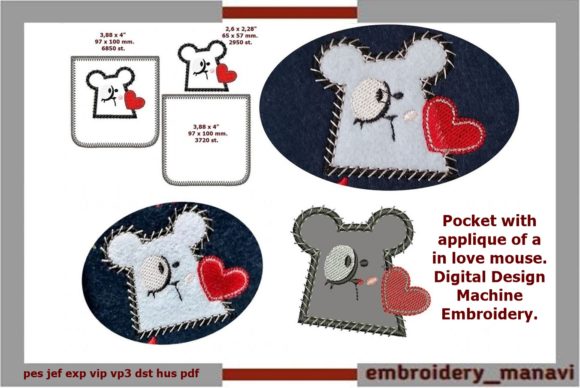
The immediate visual impact of Mouse in Love is one of warmth and whimsy. The design centers on an applique of a mouse, creating a textured, layered look that adds depth without excessive stitch density. This is crucial for modern consumers who appreciate high-quality finishes but are wary of stiff, over-stitched garments. The "in love" theme naturally positions this piece as a standout for St. Valentine’s Day, yet its playful nature ensures it does not feel overly romantic or exclusive to couples. It strikes a balance between cute and sentimental, making it versatile for family gifts, children’s items, and friendly exchanges.
The decorative style leans towards rustic charm mixed with contemporary minimalism. By utilizing an applique technique, the design reduces bulk while maximizing visual interest. For an Etsy seller or small shop owner, this aesthetic is gold. It fits seamlessly into trends favoring handmade, cozy, and nostalgic vibes. Whether you are aiming for a premium boutique feel or a accessible craft fair vibe, this design adapts well because the emotional tone is universally positive and inviting.
Strategic Product Placement for Seasonal Sales
When planning a seasonal collection, versatility is key. Mouse in Love excels across various Accessories and apparel categories. Here is how I envision this design performing in real-world selling situations:
- Sweatshirt Embroidery: Placing the pocket design on the left chest of a crewneck sweatshirt creates a subtle, stylish look. It is perfect for limited edition apparel drops where customers want something unique but wearable daily.
- Tote Bag Design: Applique works beautifully on canvas totes. The durability of the fabric supports the layers, and the design becomes a focal point for grocery runs or book bags, appealing to eco-conscious shoppers.
- Kitchen Towel Embroidery: This is a high-volume gift item. The mouse adds a touch of personality to plain linen or cotton towels, transforming a utilitarian object into a handmade gift ready for housewarmings or hostess presents.
- Pillow Cover and Home Decor: For home decor enthusiasts, embroidering this design on throw pillows adds a seasonal accent without requiring a full room makeover. It pairs well with neutral tones and pastel palettes.
- Embroidered Patch: Creating iron-on or sew-on patches allows customers to customize their own jackets or backpacks. This expands your market to younger demographics who enjoy DIY customization.
Beyond these items, consider using the design on baby onesies, aprons, and even ornaments. The ability to embroider the cat separately, as suggested in the product description, opens up avenues for matching sets or sibling gifts, which significantly increases average order value during the holiday rush.
Navigating Technical Challenges and Fabric Choices
While the design is visually appealing, practical execution requires attention to detail. As a designer, I always advise testing thread colors on both light and dark fabrics. The contrast in an applique design is vital; if the mouse blends into the background fabric, the effort is lost. For dark garments, consider using a lighter backing fabric for the applique or adjusting the satin stitch border color to ensure visibility.
Another critical factor is stitch density. Although applique generally uses fewer stitches than fill designs, the surrounding details must be balanced. On stretchy garments like t-shirts or baby clothes, using the correct stabilizer is non-negotiable. A cut-away stabilizer might be necessary for items that will undergo repeated washing, ensuring the design remains flat and does not pucker over time.
Be cautious with very small hoop sizes if the design includes intricate facial features or tiny lettering. If the hoop size is too small, you may lose definition. Always check the specific dimensions provided with the digital embroidery file before committing to production. Additionally, avoid placing this design on curved caps unless you have experience with 3D puff or specialized cap frames, as the applique layers may not lay flat on highly curved surfaces.
Enhancing Brand Consistency and Customer Trust
Incorporating Mouse in Love into your shop can strengthen brand consistency if aligned with your existing style. For shops focused on seasonal embroidery, this design serves as a anchor piece for February promotions. It signals to your audience that you are timely, relevant, and attentive to trending themes.
To maximize engagement, create realistic mockups that show the texture of the thread and the fabric. A printable mockup or high-resolution photo of the finished product helps build customer trust. Buyers need to see how the applique sits on the fabric and understand the quality of the finished product. Highlighting the care instructions, such as washing inside out to protect the applique edges, demonstrates professionalism and care for the customer’s long-term satisfaction.
Practical Notes for the Commercial Embroiderer
Before launching this design in your small shop product lineup, there are several administrative and technical steps to take. First, confirm the commercial licensing terms associated with the embroidery file. Ensure you have the rights to sell physical items made with this design, especially if you are using it for high-volume commercial embroidery projects.
Second, plan your color palettes in advance. While the default colors may be charming, offering customization options—such as pink for Valentine’s, red and green for Christmas, or pastels for Easter—can extend the life of the design beyond a single holiday. This flexibility makes it a valuable asset in your library.
Finally, review the small details after stitching a test sample. Check for loose threads, proper trimming of the applique fabric, and secure satin stitches. Quality control is what separates amateur hobbyists from professional sellers. By treating Mouse in Love with the same rigor as any high-end personalized gift, you ensure that your reputation for quality remains intact.
In conclusion, Mouse in Love is more than just a cute image; it is a strategic tool for seasonal sales. With its adaptable style, manageable technical requirements, and broad emotional appeal, it deserves a spot in your upcoming holiday collection. Whether used on a cozy sweatshirt or a charming kitchen towel, this design has the potential to delight customers and drive sales during the critical gifting periods.