Reviewing Dog Face Line Art for Custom Gifts
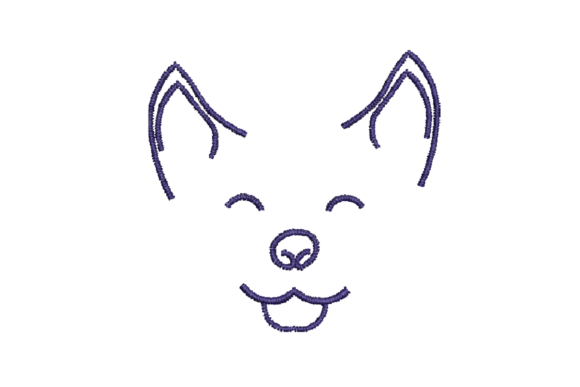
As an embroidery designer who has spent years refining digitized patterns for small businesses, I approach every new machine embroidery design with a critical eye. It is not just about whether the file opens correctly; it is about how that design translates into a tangible, emotional connection for the end customer. Recently, I tested Dog Face Line Art to see if it truly holds up as a versatile asset for personalized gift products. The premise is simple: a cheerful and adorable dog embroidery suitable for any fabric that needs a friendly character. But simplicity in line art often hides complexity in execution. Here is my practical review of how this design performs in a real-world production environment.
The First Impression: Charm and Versatility
When I first loaded the digital embroidery file into my software, the immediate appeal was its clean, minimalist aesthetic. Unlike heavily shaded or complex portraits, line art relies on negative space and confident strokes. This particular design exudes a mood that is simultaneously sweet and modern. It does not feel dated or overly cartoonish; instead, it strikes a balance that feels handmade yet professional. For an Etsy seller or a boutique owner, this versatility is gold. It fits seamlessly into nursery decor, modern kitchen textiles, and even casual apparel.
The emotional appeal is undeniable. Dogs are universal symbols of loyalty and joy. By stripping the image down to essential lines, the design becomes less about a specific breed and more about the feeling of companionship. This makes it an ideal candidate for a personalized gift where the recipient’s love for their pet is the central theme, without the need for hyper-realistic detail that might not translate well on textured fabrics.
Real-World Applications for Small Shops
In my test run, I envisioned several scenarios where Dog Face Line Art would shine. The most obvious application is baby embroidery. Parents are constantly seeking unique items for nurseries, and a soft, friendly dog face on a muslin swaddle or a cotton onesie creates an instant heirloom quality. However, one must be cautious with stretchy baby clothes. The line work requires stability to prevent puckering, so proper hooping and stabilizer selection are non-negotiable here.
Beyond the nursery, this design is a strong contender for home goods. Imagine an embroidered towel hanging in a rustic kitchen or a cozy pillow cover on a reading nook sofa. The line art style complements linen and cotton blends beautifully, allowing the fabric texture to show through the stitches. For wedding gifts, while not traditionally romantic, a custom piece featuring the couple’s beloved pet can serve as a deeply meaningful keepsake. It adds a layer of personalization that generic store-bought items simply cannot match.
For those running a small shop product line, this design also works well on tote bags and aprons. These items often undergo frequent washing and wear. The open nature of line art means there is less thread buildup, which can actually improve the durability and drape of the finished product compared to dense satin stitch designs.
Technical Considerations and Fabric Challenges
While the design is charming, technical execution is where many crafters stumble. Line art looks deceptively easy, but it demands precision. When testing on dark fabric, I noticed that contrast is key. If you use a thread color that is too similar to the background, the delicate lines will vanish. Always create a printable mockup or do a physical test stitch on scrap fabric before committing to a final finished product.
Another critical factor is stitch density. Since this is a line-based design, the density should be low enough to prevent the fabric from gathering, but high enough to ensure the lines are solid and not gappy. I recommend checking the settings in your embroidery software. If the design comes with multiple formats, ensure you are using the one optimized for your specific machine brand to avoid unnecessary jump stitches or trim commands that could interrupt the flow of the line.
Textured fabrics, such as thick terry cloth towels or waffle-weave blankets, present a unique challenge. The needle can get caught in the loops, or the lines may appear broken. In these cases, using a cut-away stabilizer is often better than tear-away, as it provides a firmer foundation for the needle to penetrate evenly. Always test on the actual material you plan to sell, not just a similar substitute.
Enhancing Perceived Value and Trust
From a business perspective, the quality of your embroidery directly impacts customer trust. A clean, well-stitched Dog Face Line Art signals professionalism. It shows that you care about the details. When customers see a crisp, consistent line without loose threads or puckering, they perceive the item as a high-quality handmade product. This perception allows you to price your items higher than mass-produced alternatives.
Furthermore, this design aids in product photography. The simplicity of the line art ensures that the focus remains on the emotion of the piece rather than distracting visual noise. This clarity helps in creating engaging social media content, which is vital for buyer engagement. Whether you are selling custom embroidery services or digital files, showcasing the versatility of this design across different thread colors and fabrics can attract a wider audience.
Final Practical Advice for Makers
Before you list this design in your store or use it for a client order, there are a few final checks to perform. First, confirm the hoop size requirements. While line art can often be scaled, resizing beyond the recommended limits can distort the proportions of the dog’s face, making it look awkward rather than adorable. Stick to the intended scale for the best aesthetic result.
Second, review the licensing terms. The product description mentions it comes with multiple embroidery file formats, but it is crucial to verify if it includes commercial embroidery rights if you plan to sell physical goods. Never assume; always read the license included with the download.
Finally, consider the end user’s experience. If this is for a baby item, ensure all backing materials are trimmed close and securely to prevent irritation. For items like aprons or tote bags that face heavy use, consider a double layer of stabilizer for added longevity.
In conclusion, Dog Face Line Art is a robust addition to any designer’s library. It bridges the gap between playful charm and modern elegance, making it suitable for a wide range of Dogs themed projects and general Embroidery applications. With careful attention to fabric choice, stabilizer, and thread contrast, this design can become a staple in your personalized gift offerings, driving both sales and customer satisfaction.